
About the Game
Enter the iconic Werkroom and experience the world of RuPaul’s Drag Race. Werk your way to the top by selecting from hundreds of fashion pieces, and creating the fiercest look to slay the runway.
Platform(s): Android, IOS
Type: F2P, Idle, Fashion Gameplay
Engine: Unity
Team Size: ~30
Role(s): Feature, Live Ops, Technical Design
Production Timeline: 9 Months
Production Team Size: ~12
Live Ops: Started October 2021
Live Ops Team Size: ~30
Links: Google Play, Apple Store, Website
Feature Design Process: Toot & Boot
Research
Worked with QA, marketing, and CS to discern friction points between the design’s live ops documentation and what is rolled out to the player.
Overhauled all pre-production documentation to facilitate less friction between multi-department communications. This greatly reduced QA bugs, CS tickets, and improved community relations for Marketing.
Helped organize skill distribution to alleviate pressure on singular individuals becoming linchpins. Training Junior Designers to understand each other’s tasks and removing pressure on Senior Design allowing them to focus on larger picture items.
Live Operations: Events

The number one ask for the game from the community was a voting style feature where people could compete against each other for who had the best outfit without the scoring being tied to the rarity or level of the outfit. This wasn’t just noted via the marketing manager but also in the Reddit forums where users would hold their own contests to vote on each others outfits.
Utilizing Fashion Review as a base template and the communities own self organization to facilitate their own events, the feature request was approved to answer player demand and meet stakeholders expectations for ARPDUA and retention goals.
Technical Design: F.T.U.E & Visual Scripting

Worked alongside the Senior Designer to implement the First Time User Experience (FTUE) utilizing an in-house visual scripting system. This included implementing:
Localization
User input control
UI/UX implementation
Analytics integration
Event Intros
Before Alpha we utilized playtests to predetermine as many player drop-offs as possible and reduce friction points for future users.
After release, we collaborated with analytics to determine drop-offs through data and find the most successful solutions through A/B testing.
Design Documentation
The main goal of the design documentation phase was a fully fleshed out feature that could function on a closed loop within the current existing system but allow other features to feed into it through participation.
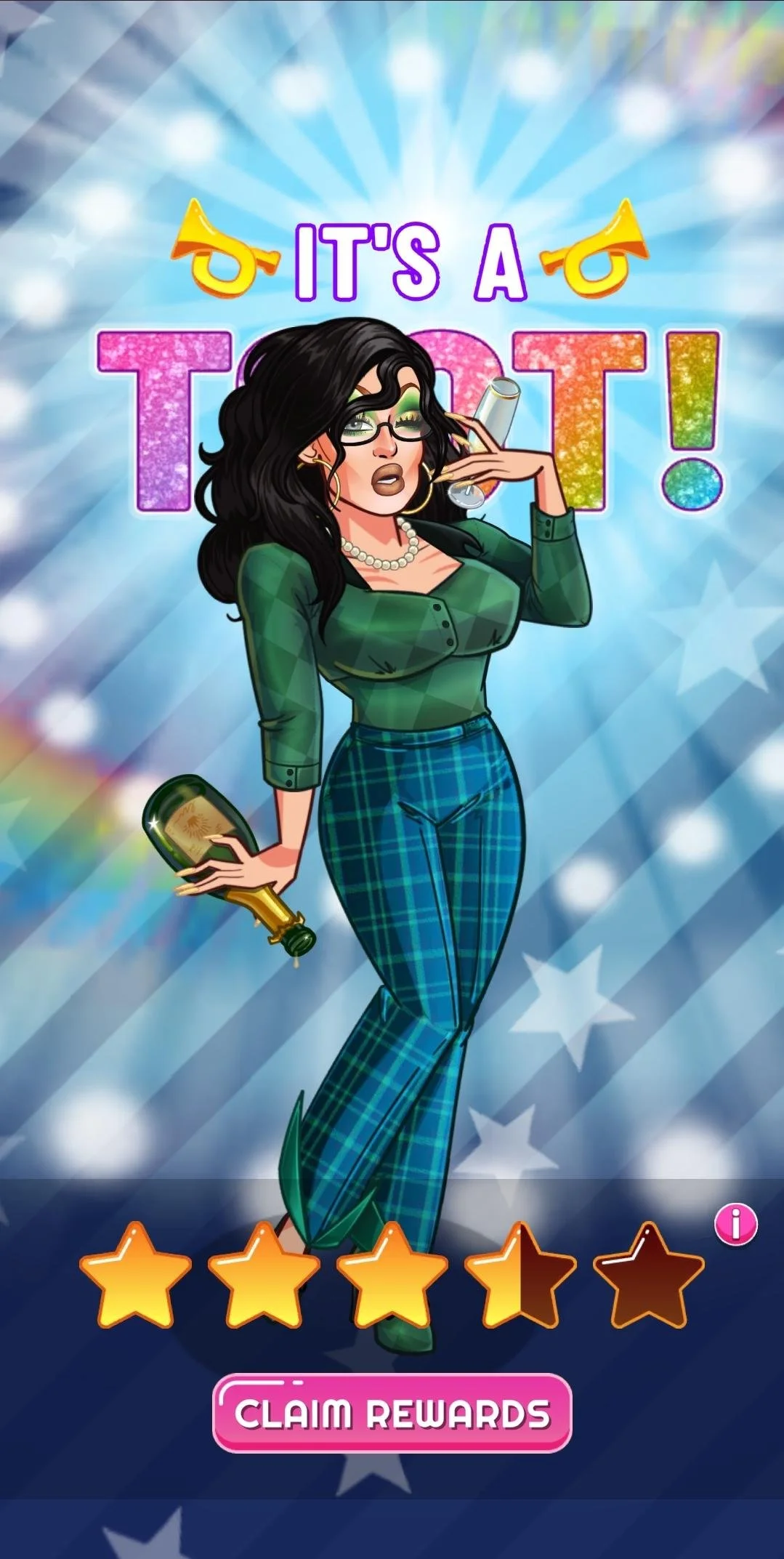
All documentation required proof of concept through other successful apps. The main focus being Love Nikki’s voting feature where players could decide which avatar matched the prompt best. This was decided as the template for the features own success with amendments.
Internally, leadership requested that the feature rely on existing systems and any new systems developed should be created with the intention of being modular and reusable for future development.
The design documentation went through several internal approvals with each department and leadership to ensure that not only could it successfully be implemented but it would also meet stakeholder expectations.
The final step was the showcase of the documentation to the stakeholders and receive approval to involve UI/UX, Programming and QA in the implementation and proposal of the feature.
Stakeholder Proposal
The proposal encompassed the largest amount of time in the whole process as each individual screen had to be accounted for, presented and edge cases shown. The end presentation encompassed every aspect of the feature showcasing each loop, currency, and how the game fed into the new feature.
After 6 months of adjustments, iteration and feedback, the feature was approved.
The documentation set the standard for all future documentation within the company and for all future feature proposals.
Implementation
Development of the approved foundation of the feature began during the proposal period as the proposal was to address and polish the overall experience but not the core loop.
Sync ups were regularly had with all departments to ensure everyone was aware of any emerging issues or pivots that needed to be quickly executed.
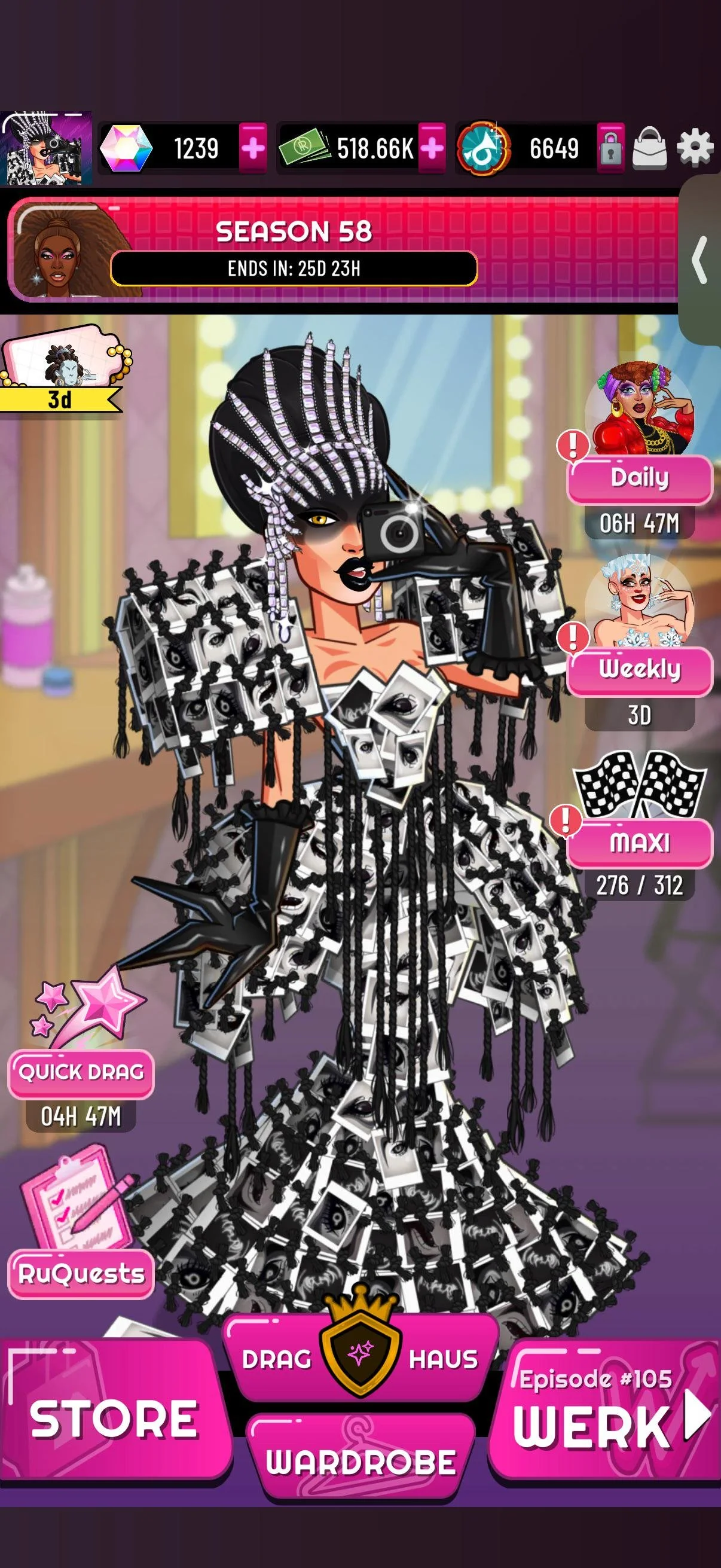
After the proposal was approved, full development began on the feature. This included additional work on our internal live ops system, additions to the work room, updates on all reward systems to implement the new currencies, and the actual development of the feature itself. The total process completed 4 months after the approval.
The feature was released a month and a half later after rigorous testing and several marketing campaigns.

Release & Live -Ops
Release of Toot & Boot resulted in a reinvestment of the existing player base, doubling the user logins within the first week and redefining the companies approach to future feature design.
During the design process, Live Ops for Toot & Boot was approached to be as minimal of a process as possible to keep overhead low, at launch this method proved to be highly successful in terms of event management. Leaving the Toot & Boot store and adding currency to existing Mini & Maxi challenges as the main sources of overhead.